Why Has Obesity Increased ?
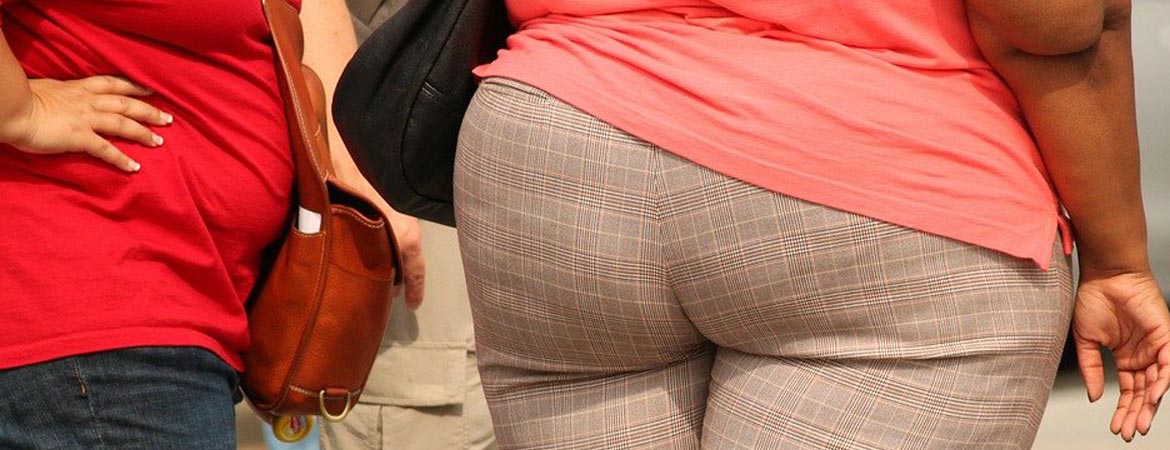
Why has obesity increased so much in recent years? Obesity is on the rise for a number of reasons. Some of the reasons are fairly self evident. Others are not quite so obvious. Many of the causes of obesity can be identified and addressed by the individual. Some of the causes are however more complex and cannot be so easily rectified.
Obesity is now recognised as being a major threat to health, and the problem is growing!
The proportion of the population that are considered to be obese is increasing at an alarming rate. There have always been people who are overweight but why has obesity increased to such an extent?
What Exactly is Obesity?
Before you can begin to consider the question ‘ why has obesity increased ‘ we need to understand what the term ‘Obese’ actually means.
Some people believe that being referred to as obese is simply a form of insult directed at them because they are overweight. There is no doubt that the word ‘obese’ is used as a form of insult or ridicule directed at people who are overweight. If you are the object of the insult it is understandable that you would find it hurtful.
However the word ‘obese’ is not derogatory at all. It actually refers to a medical term that is applied to individuals who have a BMI (body mass index) of above 30.
Obesity develops gradually and is, to a large extent, caused by poor diet and lifestyle choices. There are however other factors that can contribute to the problem.

What is the Definition of Body Mass Index?
Body Mass Index (BMI) can be defined as being an approximate measurement that is calculated by dividing an individuals weight (usually in kilograms) by the square of their height (in metres).
This can be represented as BMI=kg/m2.
The kg irepresents the person’s weight in kilograms and m2 refers to their height in meters squared.
If you want to do the calculation with imperial measurements the formula is:
BMI = [weight lbs / height inches2] x 703
Online BMI Calculator
For those of you that would like to find your BMI but do not want to do the calculation here is a simple calculator that you can use. Just enter your height and weight and click on ‘SUBMIT’ to get the results instantly!
Why is your BMI important?
An individuals BMI is not an indication of their general level of fitness. Nor is it an indication of how healthy an individual might be.
Your BMI does however provide a rough guide in determining whether or not you are considered to be overweight, or indeed underweight. In other words it’s a rough measure, or assessment, of your body fat based on your height and weight.
Medically speaking someone who has a BMI of between 18.5 and 24.9 is considered to be ‘normal weight’. That is to say that broadly speaking an individual who has a BMI within that range is considered to have an ideal height to weight ratio.
What are the BMI Classifications?
As stated above someone who has a BMI of between 18.5 and 24.9 is considered to be ‘normal weight’.
Anyone who has a BMI of between 25 and 29.9 is referred to as being ‘overweight’.
Being slightly overweight is not ideal but it is generally not a cause for major concern. Most people tend to be slightly overweight but you should try to keep your BMI as close to ‘normal’ as possible.
However once your BMI reaches 30.0 or above you are deemed to be obese and you could be putting your health at risk.
- Please note that these classifications relate to adults only. The criteria is somewhat different for children.
Levels of Obesity
There are four recognized levels of obesity.
- Class 1 Obesity: This term is applied to anyone who has a BMI between 30.0 and 34.9. People in Class 1 are simply referred to as being ‘Obese‘.
- Class 2 Obesity: This includes anyone with a BMI in the range of 35.0 to 39.9. People in this category are considered to be ‘Severely Obese‘.
- Class 3 Obesity: This classification refers to individuals who have a BMI of 40.0 to 49.9. Anyone in this grouping is referred to as being ‘Morbidly Obese‘.
- Class 4 Obesity: This term is reserved for those that have major weight issues and have a BMI of 50.0 or over. Individuals in this group are what the medical profession regard as being ‘Super Obese‘.
The higher your level of obesity the more in danger you are of suffering from weight related health issues. Some of the consequences of Obesity include high blood pressure, type 2 diabetes and heart disease to name but a few.

Why has Obesity Increased So Much in Recent Years?
There are a number of factors that can account for the increase of obesity. The type of lives we live now are very different from those of previous generations.
The food we eat and the amount of physical exercise we do have a major bearing on the level of present day obesity. The type of recreational activities and pursuits we engage in are also completely different from those of our parents and grand parents time.
The modern medications that we take along with our genetic make up can also be a contributing factor when it comes to obesity.
Why has Obesity Increased as a Result of The Food We Eat?
Our eating habits have changed dramatically over the past few years. The kinds of lives we lead often means that meals are eaten at irregular intervals. The types of food we eat now is also very different than that of previous generations.
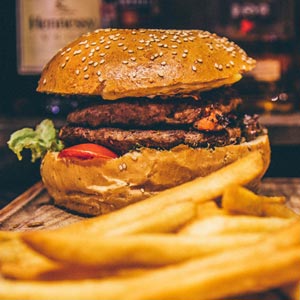
- Fast Food – There is a tendency for people to consume far more ‘fast food’ than they used to. The majority of this type of food has a high sugar and fat content which tends to make them high in calories. Even the meals we eat at home tends to contain a large percentage of processed foods. There are relatively few meals that are prepared from scratch using basic ingredients.
- Portion Sizes – The portion sizes, particularly in some fast food restaurants, have got bigger or there is an option to increase the portion size for very little extra money. Consuming these larger portions will have an adverse affect on your weight.
- Alcohol Consumption – There is now far more alcohol consumed than there was in past generations. A large number of people will now drink wine with their meals on a regular basis or have a ‘couple of beers’ in an evening whilst watching television. Many people are unaware of the amount of calories there is in the alcohol they are drinking. The average glass of wine can easily contain between 160 and 230 calories per glass. A pint of beer is likely to contain around about 200 calories or thereabouts.
What Can We do About Obesity Caused by The Food We Eat?
In many instances (but not all) obesity is caused by an individual making poor diet choices.
If you are becoming overweight or obese and are trying to determine why this is happening the first thing you need to look at is the food you eat.
If you are eating the wrong types of food or simply consuming more calories than your body is burning this is likely to be a contributing factor.
Fortunately the solution is simple. Change your diet! Cut out, or at least reduce, the amount of fast food and processed food you are eating. Replace them with healthier options. Think about what you are eating and what it is doing to your body.
Begin to reduce the size of the portions you eat. Merely reducing the amount of food you eat each day will have a major impact on your weight.
Cut out the alcohol. If you drink on a regular basis you can dramatically reduce your calorie intake, ant your weight, by replacing the wine or beer you drink with a healthier option.
Why has Obesity Increased because of our Physical Activities?
To be truthful obesity has not increased because of the physical activity we undertake. Obesity has increased simply because we do not get involved in enough physical activity.
- Reliance on Motor Vehicles – We all tend to live life at an extremely fast pace. We all feel that we need to get to our destination as quickly as possible. This has resulted in us using our cars, or public transport, for even the shortest of trips.
- Shortage of Recreational Centres and Parks – Many areas, particularly in large towns and cities, have very few parks or recreation centres where you can exercise comfortably. Most people who want to walk or jog prefer to do so in pleasant surroundings and are reluctant to exercise in this way along side a busy road.
- Mechanization – Many of the chores we do in the house or garden have been mechanized. Using an electric lawn mower, for example, does not provide the same degree of exercise that an old fashioned ‘push mower’ offered. In simple terms this means that we are not burning off the amount of calories as previous generations did whilst performing the same tasks.
What can you do about Obesity Caused by Lack of Activity?
If you are becoming obese because of the lack of physical activity make the decision to become more active. You do not need to become a world class athlete. Start by making small changes to your lifestyle. Make local journeys on foot or on a bicycle. Simply leaving the car at home once in a while can pay dividends.
Why has Obesity Increased Because of our Passive Recreational Activities?
- Online Sports and Gaming – Our recreational pursuits now tend to be carried out indoors rather than outdoors. A large number of people much prefer to ‘play sports online’ rather than get out of doors and experience the real thing. You can play tennis, golf and a whole host of other activities without leaving the comfort of your own home. Unfortunately very few of these online activities require the same degree of physical effort or involvement needed for the real thing. They are no substitute for proper outside activities!
- Technology – Technology has made us all more sedentary. We spend hours sat in front of a computer screen or using our mobile phones. We would rather speak to our friends via Skype or some other chat service than meet up face to face, even if the person we are communicating with lives only a few hundred yards away.
- Television – Watching television is the main recreational activity for a lot of people. Research suggests that the average adult will spend around about 3 hours per day watching television in one form or another. Children are likely to spend even more time than this sat in front of the television set.
- Snacking – Apart from the fact that you are inactive whilst watching television there is also another problem! There is a tendency for anyone watching TV for a prolonged period of time to indulge in ‘snacking’. The inactivity combined with the extra unnecessary additional calorie intake presents a major problem and can contribute considerably to a person becoming obese.
What can you do about Obesity Caused by Passive Recreational Activities?
Try to limit the amount of time you spend sitting in front of the television or gaming online.
Take up a sport or activity that requires physical activity. If you do not feel inclined to get involved in organised sport then take recreational walks around your local area two or three times a week. Increasing the amount of time you spend doing even gentle exercise can have an impact on your health.
Why has Obesity Increased Because of the Medication We Take?
There are a number of medications that are widely used today that were simply not available a number of years ago. Virtually all of these new medications perform well in so much as they are effective against the conditions they are designed to treat.
Many of them can however produce side effects in a small number of patients. One of these side effects can be an increase in weight.
In some patients the weight gain is marginal. Others may find thet they gain a substantial amount of weight as a result of taking prescription medication. In extreme cases this can result in the patient becoming obese.
- Appetite stimulants – Weight gain is closely associated with calorie intake. The more calories you consume the more weight you will gain, unless of course you are doing sufficient exercise to burn up the calories. Medications such as insulin, sulfonylureas and thiazolidinediones commonly prescribed to treat diabetes can have the effect of making the patient feel hungry. Some antidepressants are also known to increase the appetite which can result in weight gain. Antihistamines used to treat colds or flu symptoms, hives and insect bites are also known to stimulate the appetite.
Obviously it is not the drugs themselves that are responsible for the gain in weight but giving in to the urge to eat certainly is.
- Drugs that affect your Metabolism – People with a slow metabolism are not able to burn off calories as quickly as someone with a faster metabolism. Taking Steroids, for example, can slow down your metabolism. Steroids also have an effect on how your body deposits fat and can also increase your appetite.
What can you do about Obesity Caused by Medication?
If you feel that your weight problem is being caused by the medication you are taking speak to your doctor about this. He/she will give you guidance about what steps you can take. Under no circumstances do not stop taking your medication without consulting your medical practitioner.
It could be that you will only be taking the medication for a short period of time. If this is the case then the weight gain may only be temporary.
Why has Obesity Increased Because of Genetics?
Some physical and mental disorders can be genetic and can directly cause obesity. Studies do however tend to suggest that although genetics can make a person more susceptible to becoming obese this is not common. Other outside factors are also generally present.
Parents who are obese will not automatically have children that are obese simply as a result of their genes.
Obesity in the second generation is more likely to be as a result of the parent’s inability to grasp the importance of good diet and exercise. The children are therefore likely to follow in their parent’s footsteps and make the same poor lifestyle choices.
What can you do about Obesity Caused by Genetics?
There is obviously nothing you can do about your genetic make up. It is what it is!
Obesity can rarely be attributed to your genetics alone. There are usually other factors involved. Try to evaluate your own life choices and see if they are in fact the root cause of your problems.

Summary and Conclusion
The reasons why obesity is on the increase are extremely complex. The information above simply lists some of the more common causes. It is by no means comprehensive.
Being dramatically overweight is a major cause of a number of serious illnesses and accounts for a huge number of premature deaths each year. Obesity can also be associated with premature aging in some instances. Anyone who is, or feels that they are becoming obese, should seek help in addressing the problem. In most cases there is a solution.
In a lot of cases the individuals can begin to address the problem themselves. A small change in lifestyle can help considerably. There are also a number of weight loss products that can be obtained without prescription for for those that feel they need them. Doctors and health professionals will generally be happy to provide help and assistance for those that need it.
Becoming obese is not something that happens to you over night, it takes time. Losing weight is not easy either and it will also take a considerable amount of time and determination. It will however be worth the effort.