
Natural Remedies for Overactive Bladder
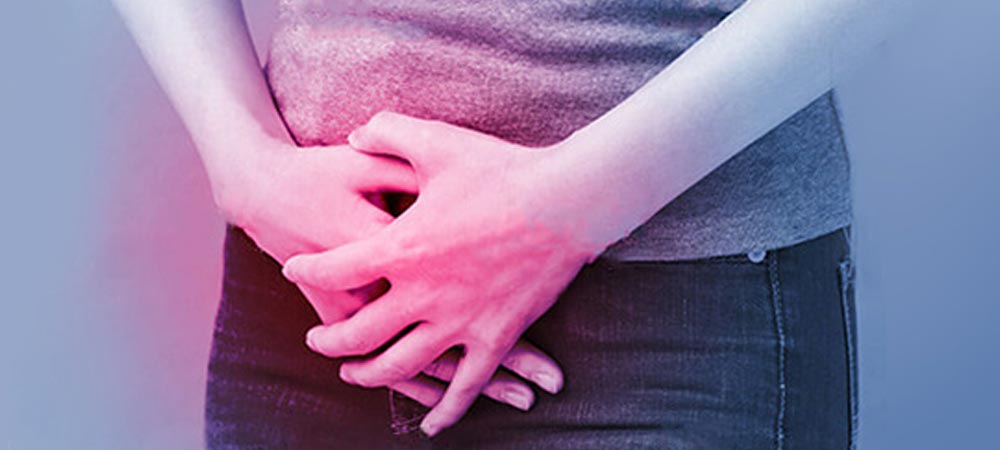
What Natural Remedies for Overactive Bladder Syndrome are Available?
There are a number of Natural Remedies for Overactive Bladder Syndrome.
These can include making dietary changes , exercising more regularly and avoiding bladder stimulants amongst others. Homeopathic and herbal remedies are also widely used.
Many people prefer natural solutions for their overactive bladder rather than taking one of the prescription drugs that are available.
What is an Overactive Bladder?
Before we look at treatments for overactive bladder it is useful to understand what the term means.
Overactive Bladder Syndrome is a condition that occurs when the muscles in the bladder contract (or squeeze) too often and with too much force. This results in a leakage of urine or an urgent need to urinate, despite the fact that the bladder isn’t full.
What Causes a Bladder to be Overactive?
An overactive bladder can be caused by a number of factors. Overactive Bladder Syndrome can be brought on as a result of aging. It can also be due to weak bladder muscles. Nerve damage, infections and conditions such as diabetes can result in an overactive bladder. In certain circumstances being over weight can have an adverse effect on bladder health.
Certain medications can also affect the function of the bladder. certain foods and drinks may also irritate the bladder.
While it’s not life-threatening an overactive bladder can be very bothersome and even embarrassing for those who suffer from it.

What are the Symptoms of an Overactive Bladder?
The most common symptom of an overactive bladder is having a sudden, strong, urge to urinate. This will happen even when the bladder is not full. Those with the condition can experience frequent bathroom trips, in the daytime and at night. They also quite often experience a leakage of urine.
Another potential symptom includes trouble emptying the bladder completely. There can be a feeling that the bladder has not been emptied after urinating. Urine may also continue to dribble after you have stopped urinating.
Some people with an overactive bladder might also experience an increase in urinary tract infections. They may also have an urge to urinate that is so strong that they are unable to make it to the bathroom in time.
Fortunately there are a number of ways to help manage this condition and keep symptoms under control.
Natural Remedies for Overactive Bladder – Dietary Changes
Although medications are often prescribed to help reduce the symptoms of an overactive bladder simple dietary changes can also help. A number of people have found that modifying their diet can help to reduce the symptoms of overactive bladder syndrome. I is however important to note that results may vary from person to person.
Some of the most effective dietary changes for treating an overactive bladder are outlined below.
Natural Remedies for Overactive Bladder – Drink More Fluids
Drinking more water can be beneficial for anyone afflicted with an overactive bladder. It keeps the body hydrated which helps the bladder to perform its function more naturally.
It also helps to promote healthy urine production, which reduces the urgency to urinate.
An overactive bladder can sometimes actually be caused by dehydration. Drinking plenty of water will help to keep the bladder functioning properly while avoiding any unwanted side effects.
Water helps to flush out the bladder and clears away any impurities by reducing the presence of various irritants that can lead to an overactive bladder.
Research has shown that drinking a minimum of two litres of water a day can help reduce overactive bladder symptoms. This makes it easier to control the need to urinate frequently.
In addition, it is important to maintain a healthy routine when it comes to drinking water. Try to drink water regularly throughout the day rather than all at once. This prevents the body from becoming overloaded with liquid all at once. Also be sure to take frequent bathroom breaks during the day. This can help to prevent overactivity in the bladder.
Finally, avoid drinking too much water directly before bedtime as this can lead to frequently waking during the night to urinate.
It is important to talk to your doctor before making any major lifestyle changes. Drinking more water is however generally considered to be a safe and effective way to cope with an overactive bladder.
Avoid Beverages that May Irritate the Bladder
It is also important to avoid beverages that may irritate the bladder. These include drinks such as coffee, alcohol, and fruit juice, as these can worsen the condition.
Why is Coffee Bad for an Overactive Bladder?
People enjoy coffee for its flavour and stimulating effects. However for people with an overactive bladder the caffeine in coffee can be a potential danger. Caffeine is a diuretic, which means it causes your body to produce more urine. This can be problematic for those with OAB because they often have difficulty controlling their bladder. Which makes it hard to hold in the urine until a bathroom is available.
Even if someone with OAB is able to control their urge to urinate when consuming caffeinated beverages, the amount of urine produced will still be increased.
Any Caffeinated Drink can be Bad for Overactive Bladder
It’s not just coffee that should be avoided. Other sources of caffeine such as tea, drinking chocolate and energy drinks can also be problematic.
Decaffeinated versions of these drinks can also cause problems. They often still contain at least some caffeine.
In addition to having a diuretic effect caffeine can also irritate the bladder. This can cause spasms which can be uncomfortable and even cause incontinence. Caffeine can also increase urinating frequency.
Anyone with an overactive bladder should try to avoid drinking caffeine or at least limit their consumption. Try drinking herbal teas, seltzer water, and non-caffeinated sodas as an alternative to coffee. With a few adjustments to your beverage choices you can help manage your OAB symptoms and enjoy a better quality of life.
Why is Alcohol Bad for an Overactive Bladder?
Just like coffee alcohol is a diuretic, meaning that it increases the amount of urine your body produces. Additionally, alcohol’s effects on the central nervous system can aggravate bladder irritability. Consuming alcohol can also decrease the bladder’s capacity for holding urine. It reduces the body’s ability to recognize when the bladder is full. Which increases the chances of leakage.
As a result an overactive bladder may occur more frequently in people who consume alcohol.
Additionally, alcohol can cause inflammation of the bladder, irritate its lining, and interfere with coordination of its muscles. All of these can lead to uncontrollable leakage, pain, an urgency to urinate and increased frequency.
Alcohol can also interfere with medications used to treat an overactive bladder. It can increase the side effects of some medications or can make them ineffective if taken together. This can then further contribute to bladder problems.
The best way to prevent an overactive bladder from getting worse is to avoid alcohol altogether. If you cannot do this then at least moderate your alcohol intake.
Is Fruit Juice Bad for an Overactive Bladder?
Fruit Juice can be an unhealthy choice for those with an overactive bladder. It is often high in sugar and can cause an imbalance of electrolytes in the body. This imbalance can often increase the urge to urinate.
The sugar in fruit juice can also encourage the production of bacteria, which can lead to bladder infections. These can further aggravate an already overactive bladder.
Fruit juice is also typically acidic which can cause irritation of the bladder wall. This can lead to increased urgency and more frequent urination.
Some juices (Cranberry Juice for example) can encourage bladder inflammation. Which can be especially problematic for those with an overactive bladder.
Fruit juice can often also contain large amounts of sodium. Consuming too much sodium can lead to water retention and bloating. Both of these can put pressure on the bladder and lead to an even higher urge to urinate.
As an alternative to fruit juice drink non-caffeinated drinks such as water or herbal tea. These types of beverages provide hydration. They do not however contain sugar and other irritants found in fruit juices.
Natural Remedies for Overactive Bladder – Eat a Healthy Diet
Eating a healthy, well balanced diet can help to reduce the symptoms of an overactive bladder. Foods that are high in fibre can help to reduce the strain on your bladder. Foods that are low in sugar can help to reduce the risk of infection. The antioxidants found in fruits and vegetables can also provide additional protection for your bladder.
For example, quercetin (a flavonoid) is one of the natural antioxidants found in fruits and vegetables. Quercetin has anti-inflammatory properties. Studies have also shown that it can protect cells from damage caused by oxidative stress.
Quercetin is found in a variety of fruits and vegetables. These include apples, grapes, berries, broccoli, onions and brassicas to mention just a few.
Natural Remedies for Overactive Bladder – Exercise Regularly
Exercising regularly can help with both the symptoms and causes of an overactive bladder. It can do so by increasing muscle tone in the area around the bladder. Exercise also helps to reduce stress levels which can also contribute to an overactive bladder.
Kegel exercises are particularly effective as they are designed to strengthen the pelvic floor muscles. These exercises help to strengthen the sphincter and improve the tone of the muscles that control urinary flow.
Regular cardiovascular exercises, such as walking, running and swimming can help to reduce stress levels. This is important as stress can be a trigger for an overactive bladder. Reducing stress levels can often reduce the frequency of the symptoms and help to manage the condition.
Aerobic exercise, dancing and cycling can help in encouraging the bladder to empty more slowly. This can be extremely beneficial for people with an overactive bladder. It gives them more control over the amount of urine released and reduces the need to visit the restroom so regularly.
Research has shown that physical exercise can reduce bladder leakage by as much as 80%.
This is because physical activity helps improve bladder control by strengthening the muscles around the bladder.
Stress is often a trigger for overactive bladder symptoms, such as feeling the need to urinate frequently. By reducing stress, people can reduce the frequency of their symptoms and better manage their condition. In addition, aerobic exercise, such as dancing and cycling, can cause the bladder to empty more slowly. This can be beneficial for people with an overactive bladder because it gives them more control over the amount of urine released and they don’t have to rush to the restroom.
Natural Herbal Remedies for Overactive Bladder

There are a number of Herbs that have been shown to be effective as a natural treatment for overactive bladder.
Marshmallow Root: Marshmallow Root is a great natural remedy for overactive bladder. It has natural anti-inflammatory and soothing properties. This helps to reduce inflammation of the bladder.
Uva Ursi: Uva Ursi is a traditional herb used to treat urinary tract infections. Including those caused by an overactive bladder.
Dandelion Root: Dandelion root is packed with vitamins and minerals that can help improve bladder health. It can also reduce urinary tract symptoms associated with an overactive bladder.
Cramp Bark: Cramp bark is a natural herb that has antispasmodic and diuretic properties. It helps to relax the bladder muscles and increase urine flow. This can be beneficial for people suffering from an overactive bladder.
Corn Silk: Corn silk is a natural herb that has long been used to treat bladder infections. Specifically with regard to overactive bladder. It helps to reduce inflammation, soothe muscle spasms, and increase urine flow.
Plantain: Plantain is a popular herb for bladder health. It has antispasmodic, anti-inflammatory, and diuretic properties. It can help to reduce bladder spasms and reduce inflammation associated with an overactive bladder
Horsetail: Horsetail is a natural diuretic. It can help to reduce inflammation and control overactive bladder symptoms. It can also help to strengthen the bladder walls.
Parsley: Parsley is another herb that has been used to treat a variety of bladder problems, including overactive bladder. It has diuretic properties which can help to reduce inflammation and increase urine flow.
Buchu Leaf and Burdock Root: Buchu Leaf and Burdock Root have also been known to help with urinary tract infections and bladder pain.
Natural Herbal Remedies for Overactive Bladder – Dosage
The dosage of herbs that should be taken to treat overactive bladder will vary from individual to individual.
Generally speaking however most people will probably find that taking a combination of these herbs will probably produce the desired affect. It is usual practice to take the herbal remedy three times a day.
The herbs are often mixed with other ingredients, such as honey, to produce a ‘tea like’ beverage.
Anyone finding that they are suffering any adverse affects from taking herbal remedies their use should be discontinued immediately.
If you are considering using herbal remedies it is advisable to seek advice from a healthcare professional. This is particularly important if you are already taking prescription medication.
Natural Remedies for Overactive Bladder – Supplements for Bladder Control
There are a number of commercially prepared supplements that can be obtained to treat overactive bladder syndrome.
Bladder control pills typically contain a combination of herbs, vitamins, minerals and other nutrients. This combination is designed to help manage bladder spasms and reduce urine leakage.
Herbs such as Uva Ursi, Saw Palmetto, Corn Silk and Cranberry are frequently used in OAB supplements.
Saw Palmetto is believed to help in reducing inflammation and irritation in the bladder. Cranberry extract helps reduce bacteria in the bladder and prevents urinary tract infections.
Uva Ursi and Corn Silk both both posses astringent properties. These help to tone the bladder muscles and reduce the frequency of urine urges.

Vitamins found in Bladder Control Supplements
OAB supplements often contain Vitamin D, B6, and calcium. All of which are important for maintaining healthy bladder muscles.
Vitamin C is also sometimes included in Over Active Bladder supplements. It helps to neutralize harmful acids in the bladder and urinary tract and reduces inflammation.
Magnesium is also a fairly common ingredient as it can help relax the bladder and reduce urinary urgency and frequency.
Other ingredients may typically include soy extracts, pumpkin seed extract, green tea, and probiotics. All of which have been proved to be beneficial for managing bladder spasms and improving bladder health.
Natural Remedies for Overactive Bladder – Final Thoughts
Diet and lifestyle can play an important role in controlling an overactive bladder. Avoiding foods and drinks that contain bladder irritants is particularly important. Taking regular exercise can also play a vital role in maintaining optimum bladder health.
Natural Herbal Remedies for Overactive Bladder can, in some cases, provide a realistic alternative to prescription drugs. Anyone who is taking prescribed medication for overactive bladder should not stop taking it without first speaking to their doctor.
Natural remedies for overactive bladder syndrome based on herbal ingredients are widely believed to be effective. Making your own herbal preparations to treat an overactive bladder is quite straightforward. Deciding on which herbs to use and the quantities to use can be a bit of a challenge.
Taking bladder control supplements manufactured using natural ingredients provides an easy and convenient alternative to preparing your own herbal remedy. The ingredients, and dosage, have been formulated for maximum effect.
It is always advisable to speak to a health professional if you believe that you are suffering from overactive bladder syndrome.